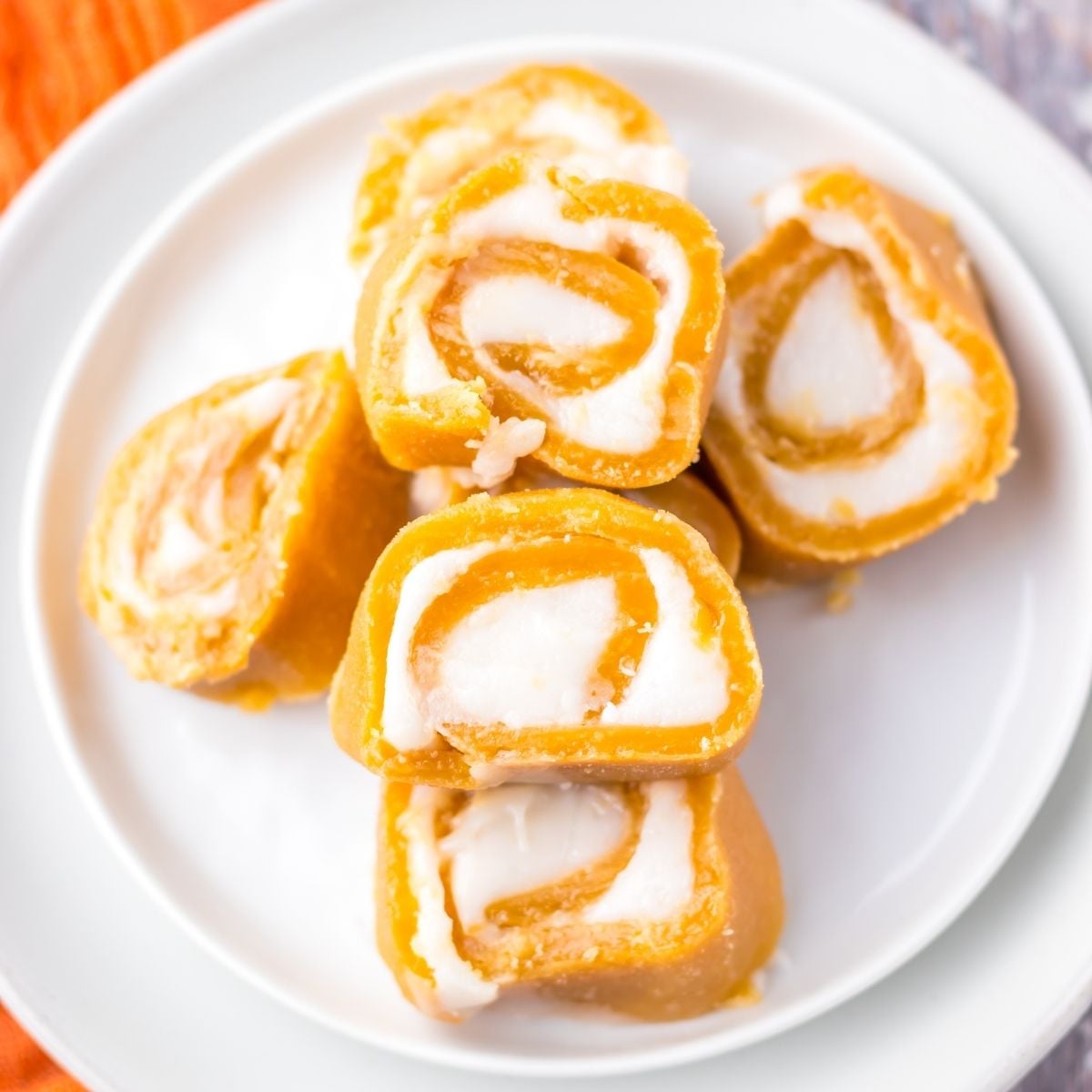
Soft Cream Caramels are the kind of old fashioned homemade candy that look impressive but are much easier to make than most people expect. They have a soft, chewy caramel outside wrapped around a sweet, creamy center that almost melts in your mouth. The combination of buttery brown sugar caramel with that smooth vanilla filling makes these feel like something you would find in a candy shop, but you can make them right at home with simple ingredients and a candy thermometer. I especially love these for the holidays because you can slice them into little pieces, wrap each one in parchment, and turn them into such a cute homemade gift.
What are Soft Cream Caramels?
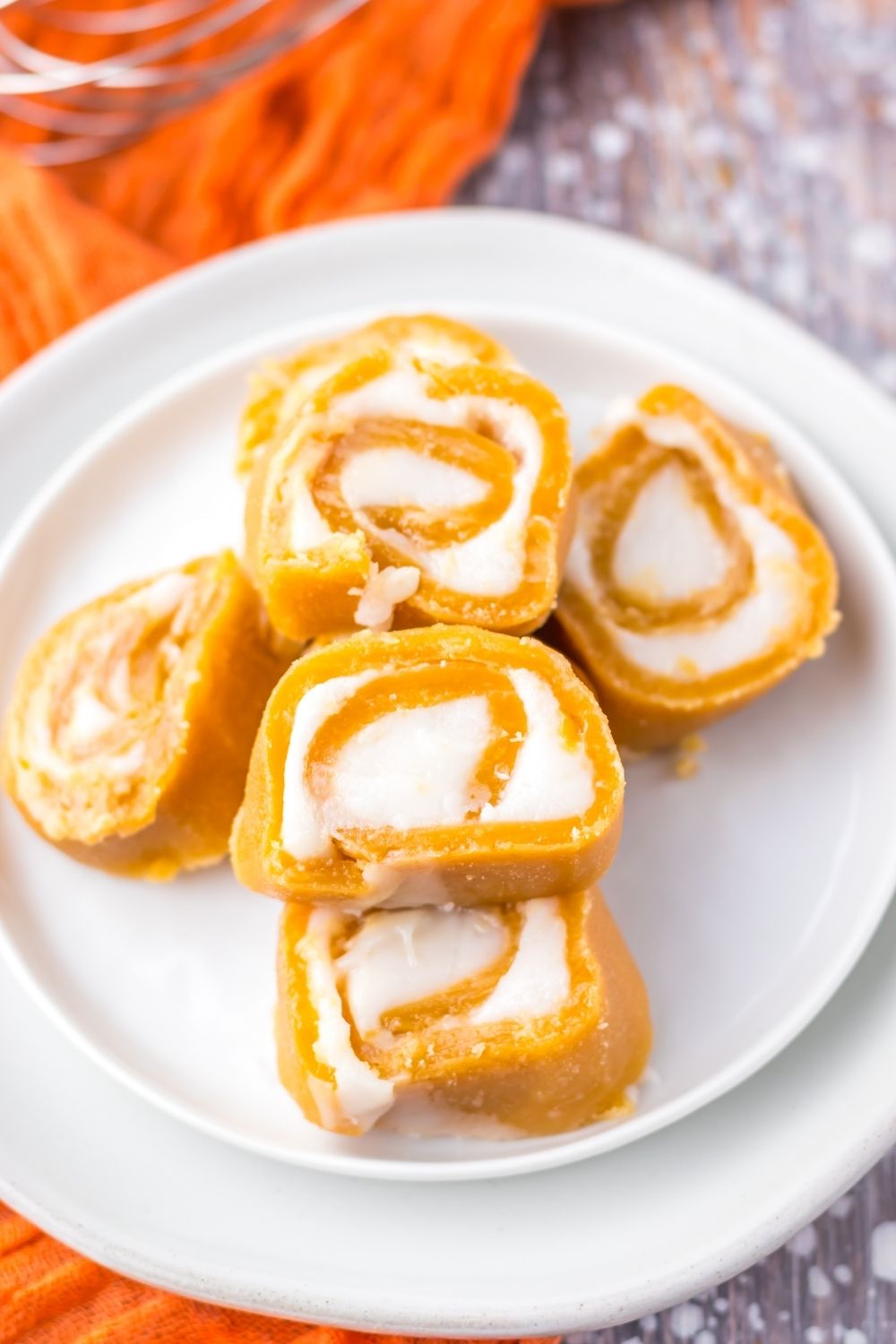
Soft Cream Caramels are a homemade rolled candy made with a soft brown sugar caramel and a sweet vanilla cream filling. The caramel is cooked to the soft ball stage so it stays chewy instead of hard, then it is poured onto a prepared pan and allowed to cool. Once the filling is mixed into a thick dough like consistency, it is spread over the caramel, rolled up, and sliced into individual candies. Each piece has that wonderful chewy caramel texture on the outside with a soft, sweet center tucked inside.
Why You’ll Love This Recipe
These caramels are such a fun homemade candy because they look like they took all day to make, but the process is actually pretty straightforward once you have everything measured and ready. The brown sugar gives the caramel a deep, almost butterscotch like flavor, while the creamy vanilla center keeps each piece from being one note. They are chewy without being hard, sweet without tasting flat, and they make a beautiful addition to holiday cookie trays, candy tins, party platters, or homemade gift boxes. I also love that the finished pieces can be individually wrapped, which makes them easy to store and even easier to share.
Why This Recipe Works
The biggest thing that makes this recipe work is cooking the caramel to the correct temperature. Bringing the mixture to 241 to 242°F puts it right around the soft ball stage, which gives you a caramel that firms up enough to cut and roll but stays pleasantly chewy. The heavy cream and butter give the caramel richness, while brown sugar adds moisture and deeper flavor. The filling uses shortening, powdered sugar, vanilla, and corn syrup to create a smooth, pliable center that is firm enough to spread without running out of the caramel. Once both components have the right texture, rolling and slicing is surprisingly simple.

Ingredient Breakdown: What They Do
Unsalted Butter: Butter gives the caramel its rich flavor and smooth texture while helping keep it soft and chewy.
Heavy Cream: Heavy cream adds fat and moisture, which helps create that tender caramel texture instead of something brittle or hard.
Brown Sugar: Brown sugar provides most of the sweetness and gives the caramel its deep, warm flavor.
Vanilla Extract: Vanilla rounds out both the caramel and cream filling with a sweet, bakery style flavor.
Salt: Salt balances all of the sweetness and makes the caramel flavor taste richer.
Shortening: Shortening gives the filling structure while keeping it smooth and soft enough to spread.
Powdered Sugar: Powdered sugar sweetens the center and helps turn the filling into a thick, dough like consistency.
Corn Syrup: Corn syrup gives the cream filling smoothness and helps keep it pliable rather than dry or crumbly.


When to Serve and Serving Ideas
Soft Cream Caramels are perfect for Christmas candy trays, Thanksgiving dessert tables, holiday parties, birthdays, bake sales, homemade gift boxes, or anytime you want an old fashioned candy that feels a little special. They are especially cute wrapped individually in small pieces of parchment or wax paper and tucked into a decorative tin. You can also arrange them alongside fudge, peanut brittle, chocolate truffles, divinity, or cookies for a big homemade candy platter. A few pieces with coffee after dinner make such a simple little dessert too.

Make Ahead, Storage & Freezing Tips
Soft Cream Caramels are a great candy to make ahead because they keep well once sliced and wrapped. Store them in an airtight container at room temperature for up to about 7 days, placing parchment between layers if needed so they do not stick together. Individual wrapping is especially helpful because it keeps the pieces from touching and makes them easy to grab or gift. If your kitchen is especially warm, you can refrigerate them, but let them sit at room temperature for a few minutes before serving so the caramel softens back up. You can also freeze the wrapped candies in an airtight freezer container for longer storage, although I think the texture is best when they are made closer to when you plan to serve them.
Variations & Substitutions
You can change the flavor of these caramels in a few easy ways while keeping the same basic method. Add a little maple extract to the filling for a maple cream center, or use almond extract instead of part of the vanilla for a slightly different old fashioned candy flavor. A tiny sprinkle of flaky sea salt over the caramel before rolling can give you a salted caramel version. You can also dip the sliced candies halfway into melted chocolate once they are completely set if you want something even more decadent. If you prefer a stronger vanilla flavor, add a little extra vanilla to the filling rather than the hot caramel so the flavor stays more pronounced.

Leftover Ideas
Honestly, there usually is not much reason to repurpose leftover Soft Cream Caramels because they keep so well and are already perfectly portioned. If you do have extra pieces, chop them and sprinkle them over vanilla ice cream, add them to a brownie sundae, or tuck little pieces into a holiday cookie tray. You can also package a few leftover candies in little bags with ribbon and turn them into an easy last minute homemade gift.
Soft Cream Caramels FAQ
Do I really need a candy thermometer for Soft Cream Caramels?
I highly recommend it. Candy making is one of those times when a few degrees can make a noticeable difference in texture. Cooking the caramel to about 241 to 242°F gives you that soft, chewy consistency you want. If it does not get hot enough, the caramel can remain too soft and sticky to roll. If it goes too far, it can become firmer and chewier than intended.
What is the soft ball stage?
The soft ball stage is a candy making temperature range where hot sugar syrup forms a soft, flexible ball when dropped into cold water. It generally falls around the low 240s Fahrenheit, which is why this recipe calls for 241 to 242°F. At this point, the caramel contains just the right amount of moisture to set while still staying soft and chewy.
Can I make these without a candy thermometer?
If you are very comfortable making candy and know how to test the soft ball stage using cold water, you can make them without a thermometer. For most home cooks, though, a thermometer makes the process much more reliable. Since the exact texture depends so heavily on temperature, I think it is worth using one.
Why is my caramel too soft?
The caramel probably did not reach a high enough temperature. Even a few degrees below the target can leave too much moisture in the candy and make it difficult to cut or roll. Make sure your thermometer is accurate and that the tip is properly positioned in the caramel without touching the bottom of the pan.

Why is my caramel too hard?
If the caramel is firmer than you wanted, it likely cooked above the target temperature. Candy continues changing quickly once it reaches the 240°F range, so remove the pan from the heat as soon as it reaches 241 to 242°F.
Why do I need a heavy bottom saucepan?
A heavy bottom pan distributes heat more evenly and helps prevent the sugar mixture from scorching. Caramel mixtures can burn quickly if one spot on the bottom of the pan becomes much hotter than the rest, so a sturdy saucepan really helps.
Why do I have to stir constantly?
Constant stirring helps keep the sugar, butter, and cream evenly combined and reduces the chance of scorching on the bottom of the pan. Once the mixture begins boiling, keep your attention on it because both the temperature and texture can change fairly quickly.
Can I use salted butter?
You can, but since the recipe already includes salt, I would reduce or omit the additional salt depending on how salty your butter is. Unsalted butter gives you the most control over the finished flavor.

Can I use light brown sugar instead of dark brown sugar?
Either light or dark brown sugar can work. Light brown sugar gives you a milder caramel flavor, while dark brown sugar has more molasses and creates a deeper, richer flavor and slightly darker color.
Why is my filling too sticky?
The filling may need a little more powdered sugar. Add it gradually, a tablespoon or two at a time, until the mixture becomes thick enough to handle and spread without running.
Why is my filling too dry or crumbly?
Add a very small amount of corn syrup and mix again. The filling should be thick and dough like, but it still needs enough moisture and flexibility to spread over the caramel without breaking apart.
Why does the filling use shortening instead of butter?
Shortening gives the cream center structure without adding extra water. It also stays fairly stable at room temperature and helps create that smooth, old fashioned candy center.

Do I need to grease the parchment paper?
Yes, lightly greasing the parchment makes it easier to remove and handle the caramel after it cools. Caramel is naturally sticky, so this little step can save you a lot of frustration later.
How cool should the caramel be before adding the filling?
The caramel should be completely cool and firm enough to handle before you spread the filling over it. If the caramel is still warm, the filling can soften too much and become difficult to roll.
How do I keep the caramel from sticking while rolling?
Make sure the caramel has cooled properly and the parchment was lightly greased. If your hands are sticking, you can lightly grease your fingertips as well. Avoid adding flour or powdered sugar to the caramel itself because that can change the texture.
How thick should I spread the filling?
Try to spread the filling into a fairly even layer over each half of the caramel. You want enough filling to clearly see that creamy center in every slice, but not so much that it squeezes out when you roll the candy.

How do I get neat slices?
Use a sharp knife and wipe or lightly grease the blade between cuts if the caramel starts sticking. You can also chill the rolled candy briefly if it is especially soft, but do not refrigerate it until rock hard because that makes slicing more difficult.
Can I wrap these candies individually?
Yes, and I actually think that is one of the best ways to store and serve them. Cut parchment paper or wax paper into small rectangles, place one caramel in the center, roll it up, and twist the ends. It looks adorable for gifting and keeps the candies from sticking together.
How long do Soft Cream Caramels last?
Stored in an airtight container, they should keep well for about 7 days at room temperature. Keep them away from heat and direct sunlight so they stay soft without becoming overly sticky.
Can I freeze Soft Cream Caramels?
Yes. Wrap them individually and place them in a freezer safe container. Let them thaw at room temperature while still wrapped so condensation forms on the wrapper instead of directly on the candy.
Can I double this recipe?
You can, but candy making is generally more predictable when you make one batch at a time. Doubling increases the amount of hot sugar mixture in the pan and can change how quickly it heats and cools. If you need a large quantity, I would make two separate batches for the most consistent results.
Why did my caramel crystallize?
Sugar crystals can sometimes form if sugar gets stuck on the sides of the pot or the mixture is not cooked evenly. Make sure the ingredients are thoroughly combined and avoid scraping dried sugar from the sides of the pan back into the hot candy mixture.
What should Soft Cream Caramels taste and feel like?
The outside should be chewy and buttery with a rich brown sugar caramel flavor, while the center should be sweet, creamy, smooth, and softer than the caramel surrounding it. When you bite into one, the caramel should have a little resistance before giving way to that melt in your mouth center.
$ Budget Breakdown
Prices will vary depending on where you shop and which brands you use, but homemade candy like this is usually much more affordable than buying the same amount from a specialty candy shop.
- Unsalted Butter: About $2.00 to $3.00 for 1 cup.
- Heavy Cream: About $0.75 to $1.25 for ½ cup.
- Brown Sugar: About $1.00 to $1.50 for 2 cups.
- Vanilla and Salt: About $0.50 to $0.75 for the amounts used.
- Shortening: About $0.50 to $0.75 for the filling.
- Powdered Sugar: About $0.50 to $0.75 for 1½ cups.
- Corn Syrup: About $0.75 to $1.25 for ⅔ cup.
- Estimated Total Cost: About $6.00 to $9.25 for the full batch.
The cost per piece will depend on how thickly you slice the rolls, but even a generous batch comes out to just a small amount per candy compared with buying handmade caramels.
Lightened Up Soft Cream Caramels
This is definitely a candy recipe, so I would not make too many changes if you want the texture to come out correctly. Sugar, butter, cream, corn syrup, and shortening all play important roles in how the candy sets, so reducing them drastically can change the entire result. The easiest way to enjoy a lighter portion is simply to cut the rolls into smaller pieces. Since these are rich and sweet, even a small caramel is really satisfying. You can also skip any extra chocolate coating or toppings if you are trying to keep them a little simpler.
Troubleshooting Tips
- Caramel is too soft: It likely did not reach 241 to 242°F. Make sure your candy thermometer is accurate.
- Caramel is too hard: It probably cooked above the target temperature.
- Caramel scorched: Use a heavy bottom pan and stir constantly over medium heat.
- Caramel sticks to the parchment: Make sure the parchment was lightly greased before pouring.
- Filling is too sticky: Mix in a little additional powdered sugar.
- Filling is too dry: Add a small amount of corn syrup and mix again.
- Filling melts when spread: The caramel was probably still too warm.
- Candy will not roll neatly: Let the caramel cool a little longer so it is firm but still flexible.
- Filling squeezes out while rolling: The filling layer may be too thick or the caramel may still be too warm.
- Slices stick to the knife: Lightly grease or wipe the knife between cuts.
- Caramel tastes burnt: The mixture was likely cooked over too high of heat or allowed to scorch on the bottom.
- Texture varies between batches: Candy making is very temperature sensitive, so use the same thermometer and target temperature each time for the most consistent results.
Nutrition Information
Because the number of candies depends on how thickly you slice the rolls, these values are estimates based on approximately 32 pieces per batch. Exact nutrition will vary depending on the brands of butter, shortening, sugar, cream, and corn syrup used.
- Calories: Approximately 155 calories per piece
- Protein: Approximately 0 g
- Total Carbohydrates: Approximately 24 g
- Dietary Fiber: Approximately 0 g
- Total Sugars: Approximately 23 g
- Total Fat: Approximately 7 g
- Saturated Fat: Approximately 4 g
- Cholesterol: Approximately 15 mg
- Sodium: Approximately 85 mg

My Personal Kitchen Notes
The biggest thing I would tell you about Soft Cream Caramels is to have everything measured, your pan prepared, and your candy thermometer ready before you ever turn on the stove because once the caramel starts getting close to temperature, things move pretty quickly. I keep the heat around medium and stir constantly because burnt caramel is one of those things you really cannot rescue afterward. As soon as that thermometer reaches 241 to 242°F, I take the pan off the heat and pour it right onto the prepared parchment.
I also make sure the caramel is completely cooled before I spread the cream filling because if there is still much warmth in it, the center gets too soft and rolling becomes messy. When I slice the finished rolls, I like to keep the pieces on the smaller side since these are rich, and wrapping them individually in little pieces of parchment makes them look so cute while also keeping them from sticking together.
My Final Thoughts
Soft Cream Caramels are one of those homemade candies that make people think you did something really complicated, even though once you understand the temperature and timing, the recipe is surprisingly manageable. I love the contrast between the chewy, buttery brown sugar caramel and the smooth vanilla center because it makes these completely different from an ordinary caramel square.
They are especially fun around the holidays when you can wrap each piece, pile them into a tin, and give them away as a homemade gift, but they are just as good sitting in a candy dish at home. A reliable candy thermometer really is the secret here, and once you get that caramel to the right stage, you end up with soft, chewy little candies that look beautiful and taste like something straight out of an old fashioned candy shop.
More Candy Recipes

Soft Cream Caramels
Ingredients
Caramel
- 1 cup unsalted butter
- ½ cup heavy cream
- 2 cups brown sugar
- 1 teaspoon vanilla
- 1 teaspoon salt
Filling
- 4.5 tablespoons shortening
- 1 ½ cups powdered sugar
- 1 teaspoon vanilla
- ⅔ cup corn syrup
Instructions
- Lightly grease the parchment paper.
- In a heavy bottom pan over medium heat add the butter, heavy cream, brown sugar, vanilla and salt.
- Bring to a boil and stir constantly until a candy thermometer reads 241-242 degrees.
- Immediately remove from heat and carefully pour out onto your prepared pan.
- Let cool.
- Make your filling by combing the filling ingredients in a bowl and mixing together using an electric mixer until the mixture forms a thick dough like texture.
- Cut the caramel down the middle and spread out the filling on both halves.
- Roll each half up and slice.
- Serve!
Did you make this recipe?
Make sure to follow on Pinterest for more recipes!

Leave A Reply!